
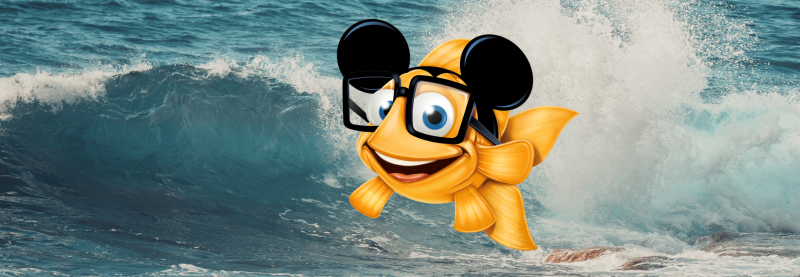
Happy Public Domain Day
By Kristyn Webb
Public Domain Day is celebrated on January 1st and commemorates the expiration of copyright protection for certain creative works. US copyright law provides the copyright owner with certain exclusive rights for a limited time, after which the works fall into the public domain. Once a work enters the public domain, anyone is free to copy, publish, distribute, adapt, and otherwise use the work without infringing the rights of the former copyright owner.
Last year, we welcomed an early version of Mickey Mouse known as “Steamboat Willie.” This year, we welcome 15 more Mickey Mouse animations from 1929, including versions of Mickey wearing his famous white gloves:
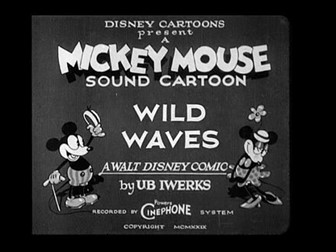
We also welcome the characters Popeye and Tintin. Notable musical compositions entering the public domain include George Gershwin’s An American In Paris, and (one of my favorite pieces) Maurice Ravel’s Bolero.
Kristyn Webb is an attorney with Fishman Stewart’s Copyright Practice Group, and holds a master’s degree in copyright law from King’s College London.



Before a brand makes headlines for the right reasons, it helps to make sure someone else doesn’t already own the name. A recent dispute involving Tesla offers a timely reminder that a great brand name can become an expensive problem.

One second became a surprisingly complicated piece of technology, intellectual property and sports governance in the 2026 collegiate season opening game.
With the end of Hot Dog Season quickly approaching, now is a good time to reflect on the innovative new growth that made this season what it is today.
The Ninth Circuit just reversed course on Jack Daniel's dilution claim against the 'Bad Spaniels' dog toy, vacating the injunction and ruling that parody humor alone doesn't prove reputational harm. Here's what the decision means for brand owners pursuing tarnishment claims.
The trading card industry is booming again - and what makes this moment different is not who holds the cards, literally and figuratively, but how the trading card space is rapidly evolving.
Imagine paying millions of dollars for the naming rights to a stadium—only to have your brand hidden behind a giant white tarp. That’s exactly what happened to Levi Strauss during the 2026 FIFA World Cup.
As we celebrate our nation’s birthday on July 4th, many communities are replacing or supplementing traditional fireworks with drone-based light shows - which prompts the question of intellectual property protection.
The fun internet trend of promoting "dupes" has officially crossed the trademark line and everyday content creators are finding themselves in the crosshairs of multimillion-dollar corporate lawsuits.
The FIFA World Cup is global football (or soccer) at its highest level. It is, however, also one of the most carefully crafted displays of intellectual property (IP) in the world.
Trademark owners are often cast as villains when they send cease-and-desist letters. But in trademark law, failing to enforce rights can sometimes create bigger problems than enforcing them.