
Taco ‘Bout Innovation: Cinco de Mayo and the Importance of Design Patents
Did you know General Mills got a patent on a tortilla shell?
When we think of the word “patent,” most of us think of a utility patent—which is a patent for protecting the function or a utilitarian feature of an invention. However, US patent law also allows for a patent to be granted to a design of product. A design patent protects the appearance of a product. For example, a design patent can be directed to the configuration or shape of a product, an ornamentation on the surface of the product, or to a combination of the two.
In other words, a utility patent covers how something works, but a design patent covers how something looks.
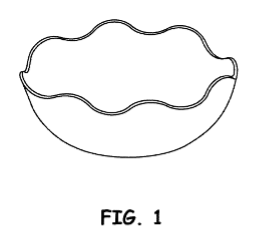
In fact, a design patent can cover a new design for an existing product. This is how General Mills obtained design patent USD759,342 for a “shaped tortilla”—a concept that has been around probably as long as the tortilla itself. The patent is not directed to a method of making a bowl out of a tortilla or to a bowl made from a tortilla. It is only directed to “the ornamental design for a shaped tortilla”—essentially, a tortilla in the drawing below:
Melissa M. Chapman is an associate attorney at Fishman Stewart and works in the firm’s Patent Practice Group. Check out her full bio here.
Published May 5, 2023


In a recent decision, the U.S. Court of Appeal for the Eighth Circuit affirmed a jury verdict holding that the use of the "Success Kid" meme by a congressman's reelection campaign for fundraising purposes did not qualify as fair use.
In February 2024, proposed legislation was introduced in US House of Representatives which would extend copyright protection to golf courses. The bill is titled “Bolstering Intellectual Rights against Digital Infringement Enhancement Act” or the “BIRDIE Act”.
June is Pride Month, which honors the 1969 Stonewall Uprising in Manhattan and recognizes the impact that lesbian, gay, bisexual, and transgender (LGBTQ+) individuals have had on history locally, nationally, and internationally. The United States Patent and Trademark Office flies the Pride Flag and promotes the Pride community’s contributions with programming offered annually.
June is Pride Month. This year we are celebrating with some IP tips for drag performers! Drag performers can protect their intellectual property by registering the copyrights in their original works of music, choreography, and comedy sketches.
You’re rarely more than a few yards from Finny’s favorite chips, semiconductor chips to be precise. But what exactly is a semiconductor chip?
"May the 4th Be With You," also known as Star Wars Day, takes place annually on May 4th. The phrase is a pun on the iconic Star Wars catchphrase "May the Force be with you."
First, a big “thank you” to all our readers who have given feedback on our newsletter. We appreciate your interest and insights. It is always a treat to hear from you! Second, we wanted to provide you with updates on some of our most popular articles
“Palworld”— a computer game created and published by Japanese developer Pocket Pair. Released as an early access game in January 2024, it sold over seven million copies on the computer platform Steam in the first five days and had nearly 20 million players in the first two weeks.
This year’s Super Bowl featured a thrilling overtime victory for the Kansas City Chiefs over the San Francisco 49ers. With estimates as high as 123 million viewers, America's premier sporting event also serves as a grand stage for creativity and intellectual property protections that enhance the game’s success.
Valentine’s Day is just around the corner and jewelry sales are usually around $6 billion USD in the United States alone. In 2021, the US Customs and Border Protection agency seized over $1 billion USD worth of counterfeit pieces of jewelry.